
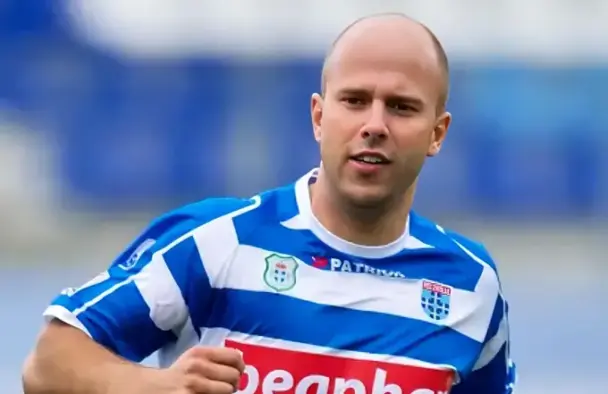
The debate around Liverpool’s recent struggles has reminded many fans of the unpredictable swings often seen in BD Cricket Live, where momentum can shift sharply regardless of past success. Arne Slot may not be a household name for everyone, but supporters familiar with Dutch football remember his intelligent style from his Zwolle days. Even as a player, he relied more on reading the game than physical dominance, and that same footballing intellect shaped his approach after stepping into coaching.
Slot carried those principles into his managerial career. Whether at AZ Alkmaar, Feyenoord, or now Liverpool, his teams have consistently emphasized technical passing, coordinated movement, and structured transitions. His first season at Anfield proved how effective his methods could be. Taking over immediately after Klopp’s departure was no small challenge, and the squad itself was adjusting to new ideas. Yet Slot’s Liverpool stunned expectations by outperforming Arsenal, Manchester City, and every major rival, eventually claiming the Premier League title. He became only the fourth manager in the club’s history to win the league in his debut season—an achievement many coaches would envy.
Critics argue that he benefited from Klopp’s foundation, but the truth is simpler: no manager wins the Premier League without real ability. Slot also showed emotional intelligence during the title celebrations, publicly thanking Klopp rather than attempting to belittle the work that came before him. His humility and clarity earned him the Premier League Manager of the Season award for 2024–25, reinforcing why Liverpool’s hierarchy see long term potential in him.
That background explains why the club is reluctant to rush into a managerial change now. First, the market does not offer many ideal candidates, and hasty decisions often backfire. Second, Liverpool’s squad has undergone major transitions. New signings like Wirtz, Ekitiqué, and Isak arrived only recently. Jota’s sudden passing shook the dressing room, while long serving pillars like Salah and Van Dijk have shown signs of decline. These factors would destabilize any team, and the board understands that the problems extend beyond one man.
Liverpool’s leadership also recognize the value of stability. Manchester City, despite enduring a rough spell and slipping out of the title race, never considered removing Guardiola. Instead, they backed him, and the team slowly climbed out of its slump. The same principle guides Liverpool now: replacing Slot does not guarantee improvement, and disruption could deepen the crisis. Choosing unity during adversity often proves wiser than tearing everything down.
Slot, for his part, continues adjusting the lineup in search of balance. These constant tweaks have made some players uncomfortable, particularly Wirtz and Szoboszlai, who have struggled to find rhythm. Veterans like Salah and Van Dijk need firmer rotation when form drops, and Slot must be decisive with selections. Leadership sometimes requires difficult decisions, even when sentiment weighs heavily. Strong communication will also be essential to calm tensions within the squad and restore trust.
Another issue is composure. Recent matches reveal a team playing with visible anxiety—every attacker seems desperate to solve the game alone. Gakpo cuts inside and shoots at the first chance, Salah dribbles into crowds, Ekitiqué forces rushed attempts. Opportunities to combine often go ignored. The desire to win quickly is understandable, but football rarely rewards impatience.
BD Cricket Live discussions often highlight how teams under pressure lose structure when emotions override strategy. Liverpool face a similar test now. With clearer roles, steadier minds, and more consistent decision making, Slot still has every opportunity to guide the club back toward stability—and Liverpool’s board believe he deserves that chance.